Cod Thai Jungle Curry: A Delightful Twist on a Classic
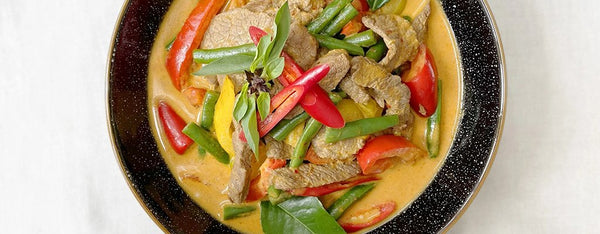
If you love a good fish curry, you’re in for a treat with this delicious Thai Jungle Curry featuring cod. Traditionally, Jungle Curry is prepared with meat rather than fish, as the Northern regions of Thailand, where this dish originates, are more forested and less abundant in rivers or lakes. As a result, fish has never been a central ingredient in this particular curry. However, that doesn't mean it can’t be adapted! Today, I’m excited to share a wonderful recipe for cod jungle curry, adding a fresh twist to this classic dish by incorporating the delicate flavors of fish with the bold, spicy tones of traditional Thai spices and herbs.
Cod is an excellent choice for this recipe. Its subtle, mild flavor contrasts beautifully with the vibrant, herbal notes in Jungle Curry. The texture of cod – soft yet firm – holds up well in stews and curries without breaking apart too easily during cooking. This makes it a perfect option for anyone looking to try a lighter version of the traditional jungle curry while still enjoying its intense flavors.
Why Cod Works So Well in Jungle Curry
Cod is one of those wonderfully versatile fish varieties that can be cooked in numerous ways. Whether it's roasted, broiled, pan-fried, or poached, cod's slightly flaky but firm texture makes it suitable for all kinds of recipes. When used in curries, especially those with robust flavors like Thai Jungle Curry, it acts as a delicate canvas, allowing the spices, herbs, and vegetables to shine while adding its own subtle contribution to the overall dish.
While jungle curry can traditionally be quite fiery and intense, the use of cod helps balance the spice with its light, almost buttery texture. Unlike meat, fish doesn’t take long to cook, meaning this version of jungle curry is also quicker to prepare, making it a fantastic option for weeknight dinners.

The Ingredients You’ll Need
Before diving into the cooking process, let's talk about the key ingredients for this Cod Thai Jungle Curry. The primary base of any jungle curry is the Jungle Curry Paste. This paste is packed with fresh ingredients like lemongrass, galangal, garlic, Thai chilies, and makrut lime leaves. If you can, try to use a high-quality curry paste like Mae Jum’s Thai Jungle Curry Paste to keep the dish as authentic as possible.
For the vegetables, I like to use a combination of baby corn and other mixed vegetables. Baby corn adds a natural sweetness to the dish, which complements the spices without overpowering them. Cod loins are ideal for this recipe, as they hold their shape better than fillets during cooking, ensuring your fish chunks stay intact.
Other key ingredients include fish sauce, palm sugar, and the vibrant makrut lime leaves, which bring an aromatic citrusy element to the dish. These leaves are commonly torn and added at the end of the cooking process to infuse the curry with their fresh, zesty aroma.
How to Make Cod Thai Jungle Curry
Making this curry is quick and easy, perfect for those nights when you want a satisfying meal without spending hours in the kitchen. Here's how to do it:
Heat Oil and Curry Paste: Start by heating some oil in a wok or saucepan over medium-high heat. Stir fry the Thai Jungle Curry Paste for about two minutes to release all its flavors. The aroma that fills your kitchen will be incredible!
Season the Curry: Next, season the paste with fish sauce and a touch of palm sugar. Palm sugar is key to adding a subtle sweetness that balances the heat of the curry, but be careful not to add too much. If you’re using sweet vegetables like baby corn, reduce the amount of sugar to avoid making the curry too sweet.
Simmer the Vegetables: After adding the seasoning, pour in water and bring the mixture to a light boil. Add the mixed vegetables and let them simmer for about 5-7 minutes, allowing them to absorb the flavors of the curry paste.
Add the Cod: Now it’s time to prepare your cod loins. Cut them into large, bite-sized pieces to keep them from breaking apart during cooking. Gently add the cod chunks into the curry, and simmer for another 5 minutes, or until the fish is cooked through.
Finish with Makrut Lime Leaves: Finally, tear some fresh makrut lime leaves and add them to the curry. Tearing the leaves helps release their oils, infusing the dish with a beautiful citrus aroma.
Your cod Thai jungle curry is now ready to serve! Pair it with some freshly steamed Jasmine rice for the perfect balance of flavors and textures. This dish is a wonderful blend of spicy, savoury, and subtly sweet, with the cod providing a delightful contrast to the bold flavors of the curry paste.
Why Jungle Curry Is Different from Other Thai Curries
One of the defining characteristics of jungle curry is its spicy, clear broth. Unlike green or red curry, which are mellowed out by coconut milk, jungle curry is intensely flavored with a clear, sharp heat. The use of chilies, galangal, and lemongrass creates a fragrant, fiery base, while the absence of coconut milk allows these flavors to shine in their purest form.
Another difference is the variety of vegetables used. While southern Thai curries often incorporate vegetables like potatoes or pumpkin, jungle curry favours the more unusual ingredients like pea eggplants and bamboo shoots, which add texture and a slightly bitter flavor that balances the heat.

Health Benefits of Jungle Curry
In addition to its bold flavors, jungle curry offers a range of health benefits. The abundance of fresh herbs like lemongrass, makrut lime, and galangal not only adds depth to the dish but also provides medicinal properties. Lemongrass, for example, is known for its anti-inflammatory and digestive benefits, while galangal is often used to boost circulation and reduce nausea.
Because jungle curry lacks the rich coconut milk found in other Thai dishes, it is also lower in fat and calories, making it a lighter option for those who are mindful of their diet. Paired with lean fish like cod and plenty of vegetables, it’s a meal that is not only delicious but also nutritious.
Final Thought
In Southern Thailand, jungle curry isn't a refined dish, it's honest. My mother's kitchen didn't have a rulebook that said curry needed coconut milk, or that fish had no place in *kaeng pa* [gang pah]. She cooked with what grew nearby and what the market offered, and the curry adapted. That same spirit lives in this recipe. Cod's gentle sweetness actually strengthens the curry's character instead of muddying it; the clear broth becomes more vivid, not less. It's fast food in the truest sense, real food, ready in thirty minutes, nothing fussy about it.
Americans have embraced Thai food with such warmth over the past decade, and yet many home cooks still reach for jarred pastes loaded with additives, or worse, skip the sauce altogether. When you make this Cod Thai Jungle Curry with Mae Jum's stone-ground paste, you're choosing the real article, the thing that tastes like it came from someone's grandmother's kitchen because it actually did. Tear those makrut lime leaves, let their oils release, and you'll understand immediately why shortcuts matter so little when authenticity is this close at hand.
Cod Thai Jungle Curry

- 400 g Cod Fillet
- 35 g Mae Jum Thai Jungle Curry Paste
- 100 g Baby Corn
- 90 g Green Beans
- 1 tbsp Coconut Oil
- 1 tsp Palm Sugar
- 1 tbsp Fish Sauce
- 400 ml Water
- 2 Makrut Lime Leaves
 Thai Jungle Curry Paste