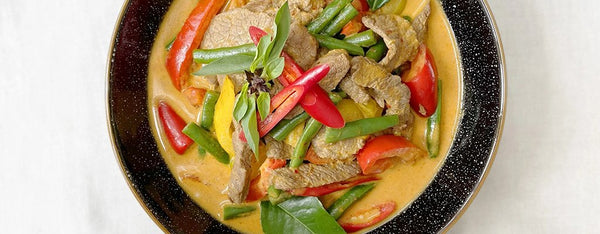
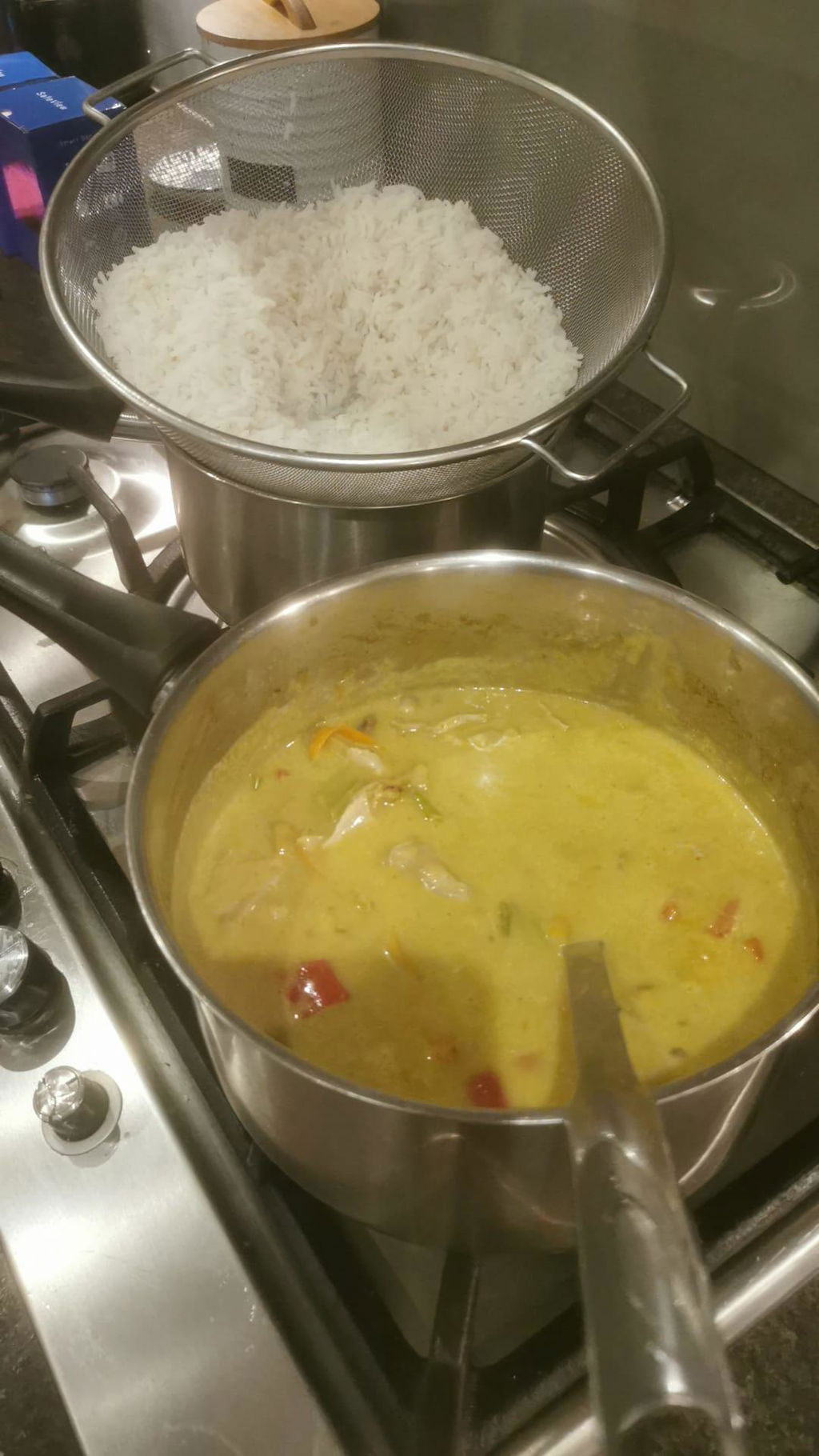
A Guide to Cooking Chicken Thai Red Curry: The Perfect Comfort Food
Forget ordering takeaway and make your own Chicken Thai Red Curry at home to impress your friends and family! I love cooking with seasonal vegetables in my curries and autumn brings one of my favorite vegetables of all time... butternut squash!
I really enjoy the sweetness from the squash and the warm spice of chili from the sauce, I think they complement each other really well. Alternatively, you can use pumpkin too! Get the most out of those pumpkins being carved for Halloween and give them a second life in a delicious hot curry. I think they deserve it after sitting out in the cold all night!
What Makes Thai Red Curry Special?
Thai red curry is one of those dishes that manages to be both deeply comforting and vibrant at the same time. The bold red color, fragrant aroma, and layers of flavor, from the fiery heat of red chilies to the creamy richness of coconut milk, make it one of the most beloved dishes in Thai cuisine, and for good reason.
What sets Thai red curry apart from other curry styles is its balance. Thai cooking is built around the harmony of five key taste profiles: sweet, salty, sour, spicy, and umami. Red curry captures all five in every spoonful. The heat from the red chilies is tempered by the sweetness of coconut milk and palm sugar, while fish sauce adds depth and saltiness, and a hint of lime rounds everything off beautifully.
Unlike the dry spice blends found in many Indian-style curries, Thai red curry is built on a fresh aromatic paste, blended from ingredients like lemongrass, galangal, makrut lime, and fresh chilies. In this version, the addition of butternut squash takes things a step further. The squash absorbs the bold curry sauce as it cooks, becoming tender and flavorful throughout, while its natural sweetness adds another dimension that makes this dish particularly special in the colder months.

Origins
The vibrant red color that gives this curry its name comes from the red chilies at the heart of the paste. Chilies were actually introduced to Thailand by Portuguese traders during the 16th and 17th centuries, before which Thai cuisine relied on long pepper and other local spices for heat. Once chilies arrived, they became central to Thai cooking almost immediately, and the curry pastes we know today were born.
Traditionally, curry paste was, and still is, made by pounding each ingredient by hand in a stone mortar and pestle. It is a labour of love, and the texture and flavor achieved through this method is considered superior to machine blending. Each region of Thailand developed its own version over time, with slight variations in the ratio of ingredients and heat levels depending on local produce and taste preferences. Red curry is most closely associated with central Thai cuisine and is one of the most widely cooked and recognized styles of Thai food both at home and abroad.
Today, Thai red curry has become one of the most popular Thai dishes in the world, served in restaurants from Bangkok to London, and increasingly made at home thanks to high-quality curry pastes like Mae Jum's, which bring authentic Thai flavor to your kitchen without the need to source and grind individual fresh aromatics from scratch.
Ingredients You'll Need
Mae Jum Thai Red Curry Paste The heart and soul of this dish. Mae Jum's Thai Red Curry Paste is crafted using traditional aromatics such as lemongrass, galangal, red chilies and makrut lime stone-ground into a smooth, fragrant paste. Using a quality paste is the single most important factor in getting authentic Thai flavor at home, and Mae Jum's is made to the highest standard using a traditional Thai recipe with no shortcuts.
Chicken Thigh Chicken thighs are the cut of choice here for good reason. They stay tender and juicy when simmered in the sauce, soaking up the curry flavors without drying out, something breast meat tends to do in longer cooking times. If you prefer, chicken breast can be used as a substitute, but thighs will always give you better texture and more flavor in a curry.
Coconut Milk Coconut milk forms the creamy, lightly sweet base of the sauce and does the essential job of balancing the heat from the red chilies. A full-fat coconut milk gives the best result, creating a richer, more luscious sauce that coats the chicken and vegetables perfectly. If you can, avoid low-fat alternatives where possible, as they tend to result in a thinner, less satisfying finish.
Butternut Squash The star vegetable of this recipe. Butternut squash brings a natural sweetness and hearty texture that pairs wonderfully with the bold, spicy sauce. In autumn, squash is at its seasonal best, dense, sweet, and full of flavor. As it cooks, it absorbs the curry sauce and becomes meltingly tender, adding real depth and substance to every bowl.
Red Pepper Added later in the cooking process, red pepper contributes a mild sweetness and a welcome pop of color to the finished dish. Keeping it towards the end of cooking ensures it retains a slight bite and doesn't become too soft, adding a pleasant contrast in texture.
Fish Sauce and Palm Sugar These two ingredients are the classic Thai seasoning pairing, salty and sweet, that bring the whole dish into balance. Fish sauce delivers a deep, savoury, umami-rich flavor, while palm sugar adds a gentle caramel-like sweetness. Together they lift and round out the sauce, giving it that distinctly authentic Thai quality.
Coconut Oil Used for frying the curry paste at the start, coconut oil handles high heat well and adds a subtle sweetness that complements the other flavors in the dish. It's the traditional choice for cooking Thai curries and makes a noticeable difference to the depth of the finished sauce.
Thai Basil Used as a garnish, Thai basil is quite different from regular sweet basil, it has a slightly anise-like, peppery quality that adds a fragrant and aromatic finish to the curry. Scattered over the top just before serving or cooked into the curry at the very end, it wilts gently into the hot sauce and gives the dish an authentic, restaurant-style flavor and presentation.
Cooking Tips
Bloom your curry paste properly. The step that makes the biggest difference is frying the curry paste in oil before adding any liquid. This process called "blooming," awakens the aromatics and builds the essential flavor foundation of the dish. Give it a minute or two over medium-high heat until it becomes fragrant, you'll notice the aroma shift immediately.
Add coconut milk in two stages. Adding a small amount of coconut milk first to loosen the paste, and then the remainder later, helps emulsify the sauce and creates a more cohesive, deeply flavored result. It's a technique used in traditional Thai cooking and well worth following.
Time your vegetables carefully. Butternut squash takes longer to cook than red pepper, so they go in at different stages. The squash needs around 10-15 minutes to become tender and absorb the sauce, while the pepper only needs five minutes to retain its texture and color. Rushing either will leave you with vegetables that are either underdone or mushy.
Taste and adjust before serving. Thai cooking is fundamentally about balance. Before you dish up, taste the sauce and adjust, a little more fish sauce for saltiness, a touch more palm sugar for sweetness, or maybe a small squeeze of lime for brightness. These small adjustments make a big difference to the final flavor.
Final Thought
There's a reason Thai red curry has become a beloved staple in American kitchens—it hits that perfect note between restaurant-quality and genuinely doable on a weeknight. This version, with butternut squash, feels particularly at home as the weather shifts and we start craving warming, spiced food. The squash brings a sweetness that plays beautifully against the heat of the chilies, and somehow the whole thing tastes better when you've made it yourself, with ingredients you actually recognize.
In Southern Thailand, cooking is built on an ancient principle called samunprai—the idea that the natural world provides what we need to be well, and that preparing food is an act of care. I was raised with that belief, and it's why Mae Jum exists: to bring that same authenticity and intention to your kitchen, without the complexity. You're not hunting through specialty shops or buying a dozen different pastes. You're using one jar of stone-ground curry paste made the way it's been made for generations, and that's genuinely all you need.
This curry is an invitation to slow down a little, even on busy nights. Chop your vegetables, let the sauce bubble gently on the stove, and notice how the kitchen fills with that distinctive, mouth-watering aroma of lemongrass and fresh chilies. That's not exotic—that's real food, made real, in your home. Cook it once, and you'll understand why it's travelled so far from Southern Thailand to your table.
Chicken Thai Red curry with Butternut Squash and Red Peppers

- 35 g Mae Jum Thai Red Curry Paste
- 400 ml Coconut Milk
- 400 g Chicken Thighs
- 150 g Butternut Squash (chopped into chunks)
- 150 g Red Pepper (sliced)
- 1 tbsp Coconut Oil
- 1 tbsp Palm Sugar
- 1 tbsp Fish Sauce
- — Thai Basil (garnish, thinly sliced)
 Thai Red Curry Paste