What Makes Jungle Curry Special?
If you've ever browsed a Thai menu and wondered what separates Jungle Curry from all the other curries on the list, the answer is simple… there's nowhere to hide! No creamy coconut milk to mellow the heat, no rich base to soften the blow. Jungle Curry is raw, fierce, and proud of it. It's a dish that wears its spice like a badge of honor, and once you've tasted it, you'll understand exactly why it has such a devoted following.
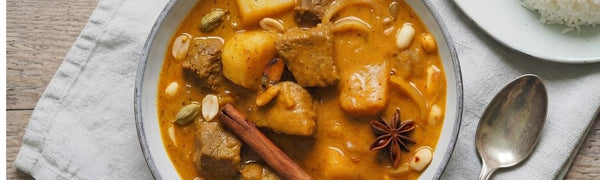
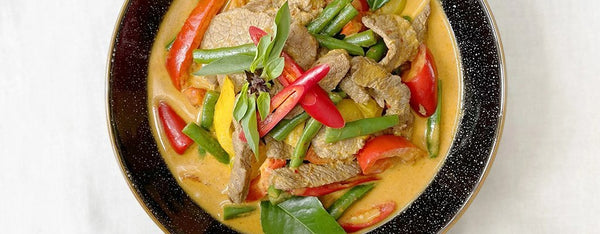
What sets Jungle Curry apart from dishes like Green Curry or Massaman is its broth-based consistency. Where other Thai curries rely on coconut milk to create a thick, velvety sauce, Jungle Curry is cooked with water or sometimes stock, which produces a thin, intensely flavored broth that lets every ingredient speak for itself. The result is something vibrant, punchy, and deeply aromatic. The heat is front and center, but underneath it, you'll find layers of lemongrass, galangal, makrut lime, and fresh herbs that make this curry genuinely complex.
It's not a dish for the faint-hearted, but it is absolutely a dish for the curious.

Origins of Thai Jungle Curry
Thai Jungle Curry, known in Thailand as Kaeng Pa (แกงป่า), translates directly as "forest curry" or "jungle curry" and that name tells you everything about where it comes from. This is a dish born not in the coastal kitchens of Bangkok or the tourist-friendly restaurants of Chiang Mai, but deep in the rural forests and highlands of Northern and Central Thailand.
Historically, Kaeng Pa was the food of hunters, farmers, and people living far from the conveniences of a well-stocked market. Coconuts simply weren't readily available in these inland, forested regions, so cooks worked with what the jungle gave them. Foraged herbs, wild vegetables, fresh water, and whatever protein could be caught or raised nearby. This resourcefulness is baked into the very DNA of the dish.
Because it doesn't rely on coconut milk, Jungle Curry has a lighter, thinner consistency than many Thai curries, but what it lacks in richness it more than makes up for in intensity. The paste used to build the flavor base is heavy with fresh aromatics like shallots, garlic, galangal, lemongrass, makrut lime zest, and a generous amount of Thai bird's eye chilies. These ingredients were (and still are) readily available in the Thai countryside, which is why this dish became such a staple of rural cooking.
In modern Thailand, Kaeng Pa remains closely associated with the north and northeast of the country, where it's often made with wild boar, freshwater fish, or game meats. But as Thai cuisine has spread around the world, the dish has found new fans who appreciate its clean, uncompromising heat and its honest, back-to-basics approach to flavor.
Ingredients You'll Need
The beauty of Pork Thai Jungle Curry is that it doesn't demand a long shopping list. The dish was designed for simplicity, relying on a high-quality curry paste to do the heavy lifting on flavor.
Pork Tenderloin is the protein of choice here, and it's a great one. It's tender, lean, and cooks quickly, which makes it ideal for a fast weeknight meal. The tenderloin slices easily into thin strips, which means it absorbs the bold curry broth beautifully and cooks through in minutes without becoming tough or chewy. If you can't find tenderloin, pork fillet works just as well. For a more traditional approach, pork shoulder cut thinly is another excellent option, it has a little more fat, which adds depth to the broth as it cooks.
Green Beans bring texture and a gentle sweetness that balances the fire of the curry. They hold up well to a short simmer, staying slightly crisp rather than going soft and mushy. Trimming them and cutting them into 2–3cm pieces means they cook evenly and are easy to eat. If green beans aren't available, you could substitute baby sweetcorn, Thai eggplant (small round green or purple varieties).
Mae Jum Jungle Curry Paste is the soul of this dish. A good jungle curry paste will contain all the key aromatics, chili, lemongrass, galangal, makrut lime peel, shallots, and garlic. All ground together into a concentrated, intensely fragrant paste. Using a quality paste like Mae Jum's means you get authentic flavor without needing to source and prepare a long list of individual ingredients. The paste already carries enormous complexity, so the dish comes together with surprisingly little effort.
Fish Sauce is the primary seasoning in this curry. It brings saltiness, but also a deep umami quality that's fundamental to Thai cooking. Don't be tempted to swap it out, fish sauce behaves very differently to soy sauce or regular salt, and it's what gives the broth that unmistakably Thai character.
Palm Sugar provides a subtle, almost caramel-like sweetness that rounds out the fiery heat of the chili paste. Unlike refined white sugar, palm sugar has a slightly smoky, complex sweetness that works brilliantly in savoury dishes. It's worth seeking out, but light brown sugar or coconut sugar can work as a substitute in a pinch.
Shrimp Paste (optional) adds an extra dimension of savoury depth. It's a fermented ingredient, so a small amount goes a long way, but it amplifies the umami in the broth in a way that's hard to replicate. If you're cooking for pescatarians or simply prefer not to use it, you can leave it out, the curry is still fantastic without it.
Fresh Mint is the finishing touch, and it's more important than it might seem. Added just before serving, mint introduces a cooling, refreshing contrast that cuts through the heat beautifully. It lifts the whole dish and gives it a freshness that keeps each bite interesting. In Thailand, fresh herbs like Thai basil, holy basil, and cilantro are used similarly, always stirred in at the last moment to preserve their fragrance and color.
Cooking Tips for the Best Jungle Curry
Bloom your paste properly. When you add the curry paste to the hot oil, don't rush it. Give it a minute or two to fry and sizzle before adding any liquid. This step, often called "blooming", activates the fat-soluble flavor compounds in the paste and builds a much deeper, more rounded flavor base. You'll know it's ready when the paste darkens slightly and the kitchen smells incredible.
Control your heat. Jungle Curry should be cooked over medium-high heat rather than a rolling boil. Too much heat can cause the broth to reduce too quickly and the pork to toughen. A steady, lively simmer gives the ingredients time to meld together while keeping the pork tender and the green beans vibrant.
Don't overcook the beans. Green beans are best with a little bite to them. Add them towards the end of cooking and check them after five minutes, they should be cooked through but still have some snap. Overcooked green beans lose their color and texture, and they can make the dish feel stodgy rather than fresh and lively.
Taste and adjust. Thai cooking is all about balance, and jungle curry is no exception. Before serving, taste the broth and adjust the seasoning. A little more fish sauce for saltiness, a touch more palm sugar if it needs sweetness, or an extra splash of water if the flavor is too intense. Getting this balance right is the difference between a good curry and a great one.
Save the mint for the very end. Heat destroys the volatile compounds in fresh mint that give it its characteristic flavor and aroma. Stirring it in just before you serve or even placing it on the side as a garnish means you get the full benefit of its freshness. The same principle applies if you're ever cooking with Thai basil or holy basil.
Adjust the spice to suit your crowd. This curry is legitimately hot, and there's no shame in moderating it for your guests. The easiest way is to swap 100ml of the water for coconut milk, which softens the heat without fundamentally changing the dish. It'll still carry a good kick, just without the crazy jungle experience.
Final Thought
Pork Thai Jungle Curry with Green Beans proves you don't need a long ingredient list or hours in the kitchen to create something truly special. Rooted in the practical, resourceful cooking of rural Thailand, that honesty is what makes it genuinely satisfying to eat.
Tender pork, crisp green beans, and mint in a fiery herb-packed broth, deceptively simple, full of character. Just twenty minutes to put together, and impressive enough for those who think Thai cooking is complicated.
Whether you embrace the heat or dial it back with coconut milk, lean in, trust the process, and let those flavors do the talking.
If you enjoyed this recipe, give it a star rating and leave us a comment below! Check out our recipe page for more delicious dishes like these and follow us on Instagram and Facebook
Pork Thai Jungle Curry with Green Beans

- 1 tbsp Vegetable Oil
- 35 g Mae Jum Jungle Curry Paste
- 1 tbsp Fish Sauce
- 1 tbsp Palm Sugar
- 300 ml water
- 400 g Pork Tenderloin
- 250 g Green beans
- 1 tsp Shrimp paste (Optional )
- — Fresh mint leaves
- 100 ml coconut milk (for reduce heat if desired)
 Thai Jungle Curry Paste