Essential Thai Herbs and Spices: The Heart of Authentic Thai Cuisine
When it comes to Thai cooking, one thing stands out above all else—the harmonious balance of flavors. Thai cuisine is famous for its unique combination of the four essential taste pillars: salty, sweet, sour, and spicy. Achieving this balance relies heavily on the use of fresh herbs and spices, each carefully chosen to create the depth and complexity that characterise Thai dishes. Without these ingredients, many Thai recipes simply wouldn’t have the same bold flavors and fragrant aromas that make the cuisine so beloved around the world.
In this blog, we’ll explore the essential Thai herbs and spices you need to know, how they are used, and why they’re so important in Thai cooking. We’ll also take a look at the crucial role of Thai curry pastes, which form the foundation for many iconic dishes.
The Importance of Thai Pastes
For many Thai recipes, it all starts with a paste. Whether it’s a spicy curry or a fragrant stir-fry, Thai pastes are the key to building layers of flavor. While it may be tempting to grab a ready-made paste from the supermarket, it’s important to understand that not all pastes are created equal. Mass-produced pastes often lack the freshness, heat, and complexity that come from using whole spices, fresh herbs, and traditional preparation methods.
Authentic Thai pastes, like those from Mae Jum or homemade versions, are made using whole spices and a blend of dried and fresh herbs. Traditionally, these ingredients are pounded together in a pestle and mortar, a method that extracts maximum flavor and creates a rich, smooth texture. Although this process requires time and effort, the results are well worth it. The flavors you achieve by making your own paste are far more vibrant and aromatic compared to pre-made options.
If you’re new to making Thai pastes, here’s a handy tip: start by pounding the dry spices first, breaking them down into smaller pieces before adding fresh herbs. The moisture from the herbs will help everything come together into a smooth paste.

Essential Thai Herbs and Spices
So, what are the key herbs and spices that make up the backbone of Thai cuisine? From fiery chilies to fragrant lemongrass, here are some of the most important ingredients you’ll need to master Thai cooking.
1. Chilies, Garlic, and Shallots
At the heart of nearly every Thai paste are three fundamental ingredients: chilies, garlic, and shallots. These aromatic staples are the building blocks of Thai cuisine, providing heat, depth, and richness to a variety of dishes.
Chilies: Thai cooking uses both red and green chilies, with different varieties offering varying levels of heat. Red chilies tend to be spicier, while green chilies are often used for their fresh, grassy flavor. Whether you prefer a mild spice or something that will blow your taste buds away, chilies are a must-have ingredient in Thai cooking.
Garlic: With its pungent, savoury flavor, garlic adds depth to Thai pastes and sauces. Fresh garlic is always preferable, as it provides a stronger and more aromatic flavor than pre-chopped or dried versions.
Shallots: Smaller and sweeter than onions, shallots bring a mild, slightly sweet flavor to Thai pastes, balancing the heat from the chilies and the sharpness of the garlic.
These ingredients serve as the base for many Thai pastes, and once you’ve got them, you’re well on your way to creating a variety of traditional dishes.
2. Lemongrass, Galangal, and Turmeric
Moving beyond the base ingredients, lemongrass, galangal, and turmeric are three of the most distinctive herbs in Thai cooking. These ingredients contribute to the fragrant and complex flavors that set Thai food apart.
Lemongrass: Lemongrass is a tall, slender herb that offers a fresh, citrusy flavor with hints of lemon and ginger. In Thai cooking, lemongrass is often chopped and bruised to release its oils before being added to curries, soups, and stir-fries. The herb’s refreshing taste is especially prominent in dishes like Tom Yum (hot and sour soup) and Tom Kha Gai (coconut chicken soup).
Galangal: A close relative of ginger, galangal has a sharper, more peppery flavor. While ginger is commonly used in Western cooking, galangal is favoured in Thailand for its earthy, spicy notes. It can be tricky to find fresh galangal in mainstream shops, but it’s worth the search. If you want your Thai dishes to taste truly authentic, galangal is a must.
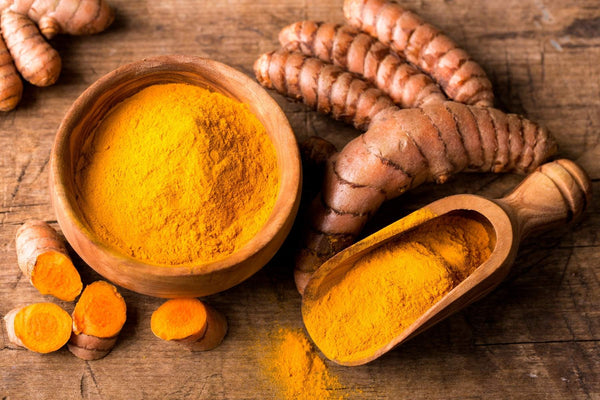
Turmeric: Known for its vibrant yellow color and warm, slightly bitter flavor, turmeric is an essential ingredient in many Thai curries, particularly Thai yellow curry and Southern sour curry. Fresh turmeric is used to add a beautiful golden hue and depth of flavor to these dishes. In addition to its culinary uses, turmeric is also celebrated for its anti-inflammatory properties.
These three herbs not only provide distinctive flavors but also contribute to the aromatic complexity that makes Thai food so delicious.

3. Makrut Lime Leaves and Rind
Makrut lime leaves are another essential herb in Thai cooking, prized for their bright, citrusy fragrance. The leaves are often torn or sliced before being added to soups, curries, and stir-fries, where they release their aromatic oils. The rind of the makrut lime can also be used in pastes to add a zesty note.
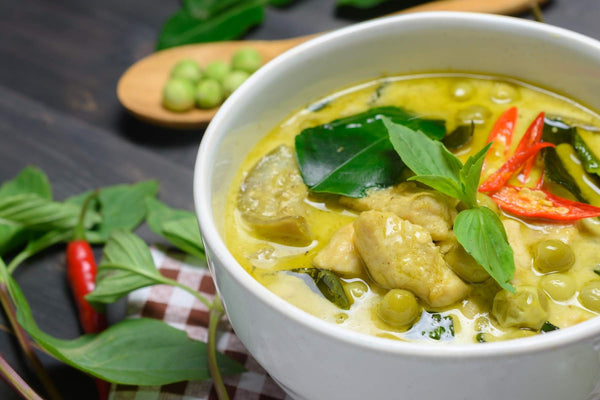
Makrut lime leaves are commonly used in dishes like Green Curry and Panang Curry, where their distinctive flavor enhances the richness of the coconut milk and the heat of the spices. If you can’t find fresh makrut lime leaves, dried or frozen leaves are a good substitute, although fresh is always best for maximum flavor.
4. Fresh Cilantro Roots
While cilantro leaves are often used as a garnish, it’s the cilantro roots that play a crucial role in Thai pastes. The roots have a more intense flavor than the leaves, with earthy, slightly citrusy notes that add depth to pastes and marinades. Cilantro roots are often blended with garlic, chilies, and other spices to create the base for many Thai dishes.
5. Green Peppercorns
Green peppercorns are young, unripe pepper berries that are used in Thai cooking to add a mild heat and fresh, zesty flavor. They are often found in brine and are a key ingredient in dishes like Thai Jungle Curry, where their subtle spice complements the fiery chilies and aromatic herbs.
6. Dried Spices: Cilantro Seeds, Cumin, Star Anise, and More
In addition to fresh herbs, Thai cooking also relies on a range of dried spices to build flavor. Some of the most commonly used spices include:
Cilantro Seeds: With their warm, citrusy flavor, cilantro seeds are often ground and added to pastes or used whole in soups and curries.
Cumin Seeds: Cumin brings a deep, earthy flavor to Thai dishes, particularly in red and yellow curries.
Star Anise: Star anise has a sweet, liquorice-like flavor and is often used in Thai stews and braises.
Cinnamon and Cloves: These warm spices are frequently used in Massaman Curry, where they add a sweet, aromatic note that balances the richness of the coconut milk and the heat of the spices.

How to Use Thai Herbs and Spices
Now that we’ve covered the essential herbs and spices, how do you use them in your cooking? Whether you’re making a traditional Thai curry or experimenting with fusion dishes, understanding how these ingredients work together is key to achieving authentic flavors.
Curries: Thai curries, such as Green Curry, Red Curry, and Yellow Curry, all start with a base of aromatic herbs and spices. Fresh ingredients like chilies, garlic, lemongrass, and galangal are pounded into a paste, which is then cooked with coconut milk and a combination of dried spices. The result is a rich, flavorful curry that perfectly balances the 4S flavors.
Stir-fries: Stir-fries are quick and easy dishes that rely on the bold flavors of Thai herbs and spices. Lemongrass, garlic, and chilies are often used to flavor oils, while fresh herbs like cilantro and makrut lime leaves add a burst of freshness at the end.
Soups: Thai soups, such as Tom Yum and Tom Kha, are known for their bold, zesty flavors. These soups often start with a broth infused with lemongrass, galangal, and makrut lime leaves, to which other ingredients like mushrooms, shrimp, or chicken are added.
Final Thought
If you've ever wondered why Thai food tastes so different from anything else, it's this: the herbs and spices aren't just seasoning—they're the whole point. In Southern Thailand, where Jum grew up and where Mae Jum's recipes come from, curry paste isn't something you buy in a jar. It's something you make, ingredient by ingredient, each one chosen for what it brings to the dish. Lemongrass for brightness. Galangal for heat. Turmeric for warmth and color. It's cooking that respects the ingredients, and the results speak for themselves.
Many home cooks in Thailand still believe that food made by hand—pounded in a mortar, not blitzed in a blender—carries better energy. There's something to that. The process is slower, more deliberate, and the textures you get are completely different. Mae Jum's pastes are stone-ground the traditional way, which means you're getting those deep, layered flavors without having to source a granite mortar or spend your evening pounding shallots.
Once you understand these core ingredients and how they work together, Thai cooking stops feeling intimidating and starts feeling exciting. You're not following a recipe blindly—you're building flavor, balancing heat and fragrance and richness the way cooks in Thailand have done for generations. And that's something worth bringing into your kitchen.