A Beginner's Guide to Mastering Thai Cuisine: Balancing the 4S of flavor and Aromatic Herbs
If you're new to the art of Thai cuisine, take a deep breath—there's no need to panic! Though the list of ingredients in Thai recipes can appear overwhelming, Thai cooking is actually quite simple once you grasp the foundational elements. With some practice, you’ll soon be crafting authentic and delicious Thai dishes at home. The key is understanding the balance of flavors, experimenting with ingredients, and most importantly, having fun with it.
What Makes Thai Food Smell and Taste So Wonderful?
Thai cuisine stands out for its rich and layered flavors, which are based on four main taste pillars, often referred to as the 4S of Thai food: sour, sweet, salty, and spicy. Achieving an authentic Thai flavor means understanding how to balance these elements perfectly. Every Thai dish contains at least two of these tastes, though some dishes may include all four. The balance between these flavors is what gives Thai food its unique appeal.
Knowing how a dish is supposed to taste is important, but don’t be afraid to experiment. As long as you don't go overboard with any dominant flavors, your dish should taste authentic. Each dish has a lead taste element, known as "Rot Chad Naam" (รสชาตินำ), and secondary flavors, known as "Rot Chad Rong" (รสชาติรอง), which serve as undertones.
The Four Pillars of Thai Cuisine
Let's break down each of the four essential flavors in Thai cooking and the ingredients you’ll use to achieve them:
Sour: Lime, tamarind, green mango, and sour pineapple are common sources of sourness in Thai dishes. Sourness is often the lead flavor in salads, soups, and some stir-fries.
Sweet: Palm sugar is the most popular sweetener in Thai cuisine, though coconut and fruits can also add sweetness. Sweetness is often used to balance out spicy and sour flavors.
Salty: Fish sauce, shrimp paste, and light soy sauce are the go-to ingredients for adding saltiness. Salty flavors are integral to Thai food and often complement the sour and spicy notes.
Spicy: The spice in Thai dishes comes from chilies (fresh, dried, red, or green) and peppercorns. Spiciness brings heat and depth to the dish.
The Secret 5th flavor: Bitterness
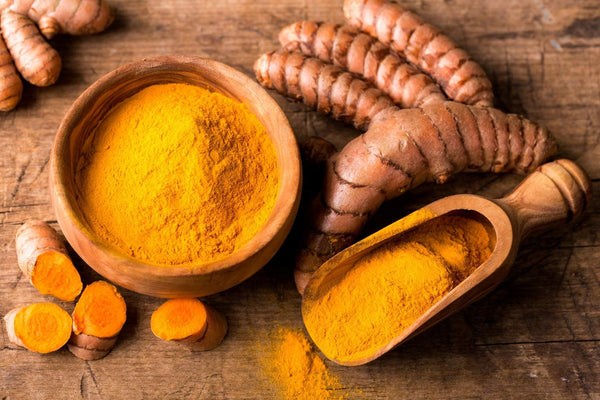
While the 4S of Thai food are well-known, there is another taste that plays an important role in the complexity of Thai cuisine—bitterness. Bitter flavors aren’t always pleasant, but they are common in Thai dishes due to their medicinal properties. Raw bitter greens, baby eggplants, and bitter melon are often used to introduce this flavor. Turmeric, another ingredient that brings bitterness, is prized for its health benefits, including detoxification and anti-inflammatory properties.
Achieving Balance: The Heart of Thai Cooking
Mastering Thai cuisine lies in striking the right balance between the four main flavors. For example, a dish might feature sourness as the dominant flavor with sweetness playing a supporting role. Another dish might be predominantly spicy, with a hint of saltiness to round it out. This balance is crucial for creating the complex, layered taste that Thai food is known for.
A popular example is Tom Yum Soup, a hot and sour soup that perfectly blends spiciness from chilies, sourness from lime juice, saltiness from fish sauce, and a hint of sweetness from palm sugar. The result is an explosion of flavors that work together harmoniously.
Once you understand which flavors should dominate in each dish, the possibilities for creativity are endless. Whether you're making a sour-sweet stir-fry or a spicy-salty curry, you’ll begin to notice the subtle nuances of flavor that make each Thai dish distinct.
Key Aromatic Herbs and Spices in Thai Cuisine
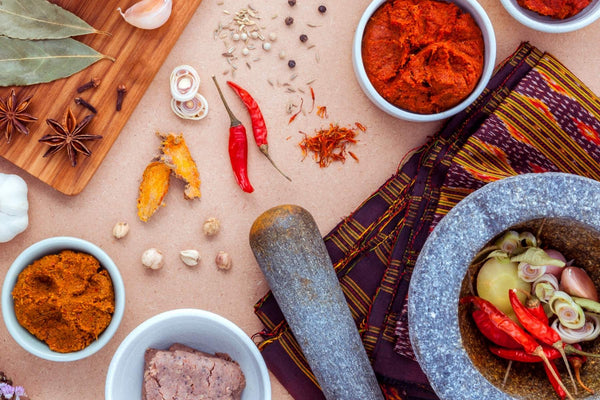
Beyond the 4S flavors, one of the defining characteristics of Thai cooking is its use of aromatic herbs and spices. These ingredients add depth, complexity, and medicinal benefits to Thai food. The most commonly used aromatic herbs include:
Lemongrass: With its citrusy fragrance, lemongrass is a staple in Thai soups, curries, and stir-fries.
Galangal: A close relative of ginger, galangal adds an earthy and peppery flavor to dishes like curries and soups.
Makrut Lime Leaves: These add a zesty, floral note to many Thai dishes, especially soups and stir-fries.
Thai Basil: This herb has a distinct anise flavor and is commonly used in stir-fries and curries.
Cilantro Leaves: Also known as cilantro, cilantro is often used fresh to garnish Thai dishes, adding a bright and fresh note.
Garlic: Garlic is a base flavor in Thai cooking, used generously in stir-fries, curries, and sauces.
These herbs and spices give Thai food its distinct aroma and flavor profile, while also providing health benefits. For example, lemongrass is known for its anti-inflammatory properties, while galangal aids digestion.
Thailand’s rich and diverse culinary heritage is deeply influenced by its geography, culture, and climate, resulting in distinct regional differences in taste. Thai cuisine can generally be divided into four main regions: Central, Northern, Northeastern (Isan), and Southern Thailand. Each region has developed its own unique flavors, cooking techniques, and ingredients, creating a vibrant tapestry of tastes across the country.
Central Thailand, which includes the bustling city of Bangkok, is often considered the heart of Thai cuisine. Here, the food is known for its balance of all four main taste elements: sweet, salty, sour, and spicy. Dishes like Pad Thai and Tom Yum Goong (hot and sour shrimp soup) are well-known examples, where ingredients such as palm sugar, fish sauce, and tamarind come together in harmony. Coconut milk is commonly used in this region, giving many dishes a rich, creamy texture. Central Thai cuisine is also notable for its use of jasmine rice, served with almost every meal.
Northern Thailand, influenced by neighboring countries like Myanmar and Laos, has a milder, herb-forward flavor profile. The cuisine here is less spicy compared to other regions and leans heavily on fresh herbs, garlic, and fermented ingredients. Khao Soi, a fragrant coconut-based curry noodle soup, is a signature dish of the north, offering a rich yet subtle taste. Sticky rice, rather than jasmine rice, is a staple here, and meals are often accompanied by Nam Prik Noom, a smoky, green chili dip that adds depth without overwhelming heat.
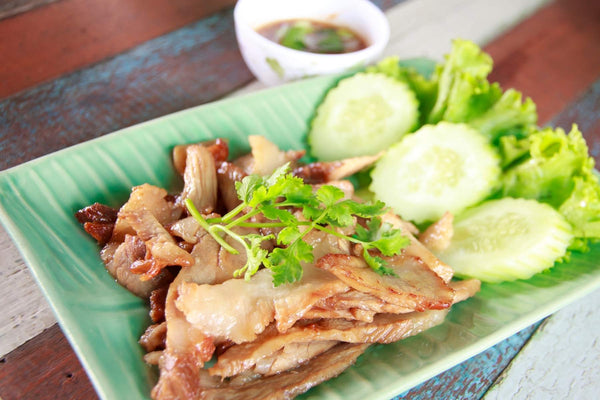
In contrast, Northeastern Thailand, or Isan, is known for its bold, fiery flavors. This region’s cuisine is heavily influenced by Laos, resulting in simple yet intensely flavored dishes. Isan food is famous for its liberal use of chilies, lime, and fermented fish sauce (Pla Ra). Som Tum (green papaya salad) is a quintessential Isan dish, balancing sour, salty, and spicy elements in a vibrant and refreshing way. Grilled meats, especially chicken and beef, are popular, often paired with sticky rice. Isan cuisine tends to be less reliant on coconut milk, focusing instead on fresh and preserved ingredients.
Finally, Southern Thailand is where the food becomes intensely spicy, tangy, and aromatic. This coastal region, with its tropical climate, is rich in seafood and coconut-based dishes. Southern curries, such as Gaeng Som (sour curry) and Gaeng Tai Pla (spicy fish curry), are renowned for their fiery heat, heightened by the use of fresh and dried chilies. The southern palate favours bold and sharp flavors, with turmeric, lemongrass, and lime playing key roles in most dishes. Additionally, the influence of Malaysian cuisine is evident in the use of fragrant spices such as cardamom and cloves in dishes like Massaman Curry, which has a milder, sweeter taste compared to other Thai curries.

Fresh Ingredients: The Key to Exceptional Thai Dishes
Using fresh, high-quality ingredients is crucial when cooking Thai food. Fresh herbs, vegetables, and proteins not only enhance the flavor of your dishes but also preserve their nutritional value. Whenever possible, opt for organic, farm-grown vegetables and meats to elevate your Thai cooking experience.
Why Choose Mae Jum's Herb and Spice Pastes?
At Mae Jum, we understand that achieving the perfect balance of flavors can be intimidating, especially for beginners. That's why we offer high-quality Thai Herb and Spice Pastes that make Thai cooking easier, more accessible, and still incredibly authentic. Our pastes are made with natural ingredients, based on recipes passed down through generations. We also avoid using shrimp paste to cater to vegans and vegetarians, and our products are Halal certified.
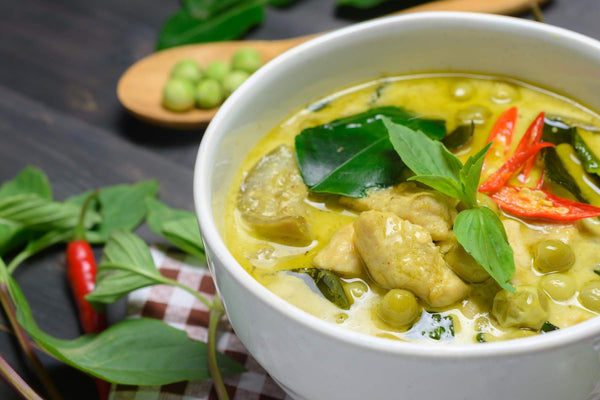
With Mae Jum’s pastes, you’ll be able to create delicious, authentic Thai dishes without the hassle of sourcing and prepping individual ingredients. Whether you’re making a fiery green curry or a sweet and sour stir-fry, our pastes will guide you in finding the right balance of flavors.
Customising with Mae Jum Pastes: A Guide to Perfect flavors
While our pastes provide a solid foundation for your Thai cooking, there’s still room for personalization. For example, our pastes don’t include shrimp paste or added sugar, giving you the flexibility to adjust the saltiness and sweetness of your dish to your liking. You can easily incorporate fish sauce or light soy sauce for saltiness, and palm sugar for a touch of sweetness.
Experimenting with different combinations of ingredients will allow you to tailor the flavor to your specific taste preferences. Remember, practice makes perfect, and with Mae Jum’s pastes, you'll be well on your way to mastering the art of Thai cooking.
A Few Tips for Perfecting Thai Dishes
To help you on your Thai cooking journey, here are a few tips that can make a big difference in your dishes:
Use high-quality coconut milk: Coconut milk is a key ingredient in many Thai dishes, such as curries and soups. Opt for good-quality coconut milk to achieve a rich and creamy texture.
Balance the heat: While Thai cuisine is known for its spiciness, it’s important to balance the heat with the other flavors in the dish. Start with a small amount of chilies and add more if needed.
Taste as you go: Thai cooking is all about balance, so it’s important to taste your dish as you cook and adjust the flavors as needed. This will help you achieve the perfect balance of sweet, sour, salty, and spicy.
From Jum’s Kitchen
There's a reason Thai restaurants in the US always have that little caddy on the table — fish sauce, chili flakes, sugar, vinegar — so you can adjust the balance yourself. It's an invitation to participate in the cooking, even after the dish has been plated. That's how central this idea of balance is to Thai food culture. It's never quite finished until you've tasted it and made it yours.
American home cooks are used to thinking about flavor in terms of seasoning at the end — a pinch of salt, a crack of pepper. Thai cooking flips that. You're building flavor in layers, checking the balance at every stage, adjusting before it's too late. It takes a little more attention, but the payoff is huge. You end up with food that's vibrant, complex, and impossible to stop eating.
Once you get the hang of balancing these four flavors, you'll start applying the same thinking to everything you cook. A tomato sauce that's too acidic? Add a pinch of sugar. A stew that's falling flat? Fish sauce will bring it to life. Thai cooking doesn't just teach you to make Thai food — it makes you a better cook, full stop. And that's the real gift of learning to cook this way.