Everything You Need to Know About Turmeric: Cooking, Health Benefits, and Its Role in Thai Cuisine
Turmeric, a bright yellow root that closely resembles ginger and galangal, has been a staple in Southeast Asian and Indian cooking for thousands of years. More than just a spice, turmeric has been used for its medicinal properties, as a natural dye, and even in traditional wellness practices. In this blog, we’ll explore the many uses of turmeric, from its culinary applications in Thai cooking to its health benefits, and even its role in traditional healing treatments. Whether you’re new to cooking with turmeric or curious about its potential health benefits, this guide will give you everything you need to know about this vibrant spice.
What is Turmeric?
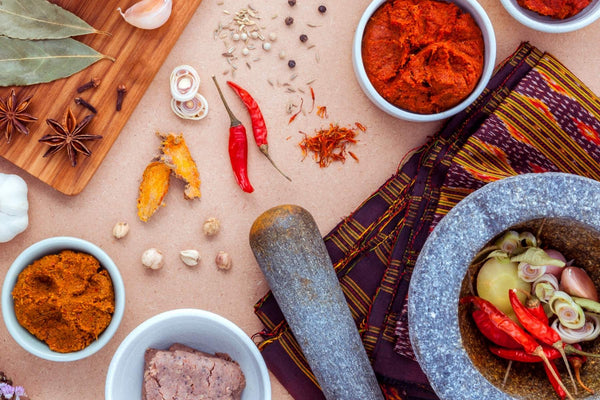
Turmeric, known botanically as Curcuma longa, is part of the Zingiberaceae family, which also includes ginger and galangal. As a rhizome, turmeric grows underground and is harvested for its root. The root’s outer skin is a dull brown, but once peeled, the inside reveals a bright, deep yellow-orange flesh. Turmeric’s distinctive color makes it instantly recognisable, and it’s this color that gives the spice many of its uses, both in cooking and beyond.
Native to Southeast Asia and the Indian subcontinent, turmeric has been a key ingredient in many regional cuisines for thousands of years. It’s particularly prominent in Indian, Thai, and Middle Eastern cooking, often used in curries, soups, and stews. Turmeric’s earthy, slightly bitter taste adds depth to dishes, but its primary role is often to add a vibrant yellow color that makes meals as visually appealing as they are flavorful.

Cooking with Turmeric
Turmeric is incredibly versatile in the kitchen and can be used in a variety of forms—fresh, dried, or ground into a powder. Each form has its own distinct qualities and uses, but all bring a warm, aromatic tone to a dish.
Fresh Turmeric Root
Fresh turmeric root can be a bit tricky to find in mainstream supermarkets, but it’s worth seeking out for its robust flavor. When using fresh turmeric, you’ll need to peel off the tough outer skin. This can easily be done using a vegetable peeler, knife, or even a spoon. Once peeled, the root can be prepared in various ways depending on the dish—slicing, grating, dicing, or even juicing it are all options.
Fresh turmeric is particularly useful in Thai and Indian cooking. Its earthy, slightly spicy flavor and vibrant color are key components in dishes like Thai Yellow Curry. If you’re lucky enough to find fresh turmeric, try adding it to soups, curries, or stir-fries for an authentic touch. Just be sure to wear gloves and protect your surfaces, as the bright yellow pigment can stain everything from your hands to your chopping board!
Turmeric Powder
Turmeric powder is the most common and accessible form of turmeric, available in almost every supermarket. The powder is made from dried and ground turmeric root and is a key ingredient in curry powders, giving them their signature golden hue. It’s used in everything from Thai yellow curries to Indian masalas and even in modern recipes like golden milk lattes.
In our Mae Jum Yellow Thai Curry Paste, we use fresh turmeric root to capture the vibrant color and bold flavor of the spice. This paste can be used in a variety of recipes, such as Chicken Satay with Peanut Sauce and Thai Yellow Curry with Bamboo Shoots, where turmeric plays a vital role in creating the dish’s warm, aromatic flavor.
Chicken Satay with Peanut Sauce and Nam Ajad
Chicken Thai Yellow Curry and Bamboo Shoots
Chicken and Potato Thai Yellow Curry
The Appearance and Taste of Turmeric
Visually, turmeric is unmistakable. Its bright yellow color stands out in any dish and is one of the reasons it’s so commonly used as a natural dye. But with that bold color comes the risk of staining, so if you’re handling fresh turmeric, it’s a good idea to wear gloves, an apron, and cover your work surfaces. Once turmeric stains something, it can be notoriously difficult to remove!
In terms of taste, turmeric has an earthy, woody flavor with a hint of bitterness. Some people describe it as slightly peppery, with undertones similar to mustard or horseradish, but less intense. While the flavor of turmeric is subtle enough that it can sometimes be hard to detect in a complex dish, its primary contribution is the bright color it brings to curries, soups, and sauces. If you were to leave turmeric out of a recipe, you might notice a difference in appearance more than in taste.
Traditional Thai Use of Turmeric: Samunprai
In Thailand, turmeric is more than just a cooking ingredient—it’s a key component of Samunprai, a traditional Thai wellness practice. Samunprai, which has no direct English equivalent, involves the use of herbs and spices like turmeric, lemongrass, tamarind, makrut lime, and black pepper in both culinary and medicinal contexts. These herbs are used in a variety of ways, including in herbal poultice massages and as remedies for ailments such as sore muscles and skin inflammation.
One of the unique aspects of Samunprai is the use of herbal “teas” made from these ingredients. These teas are often diffused in steam baths and used to treat conditions like skin rashes and joint pain. The heat and natural oils from the herbs, including turmeric, are believed to have healing properties that can help alleviate tension and promote relaxation. This holistic approach to wellness has been practised in Thailand for centuries and continues to be a popular form of treatment in modern Thai spa culture.

The Health Benefits of Turmeric
Turmeric is not just valued for its flavor and color—its health benefits have been recognized for centuries. The spice is rich in a compound called curcumin, which is responsible for many of its medicinal properties. Curcumin is a powerful antioxidant that helps protect the body against damage from free radicals, which can lead to chronic inflammation and diseases like heart disease, type 2 diabetes, and cancer.
Here are some of the key health benefits of turmeric:
1. Anti-Inflammatory Properties
One of turmeric’s most well-known health benefits is its ability to reduce inflammation. Chronic inflammation has been linked to a number of age-related conditions, including arthritis, heart disease, and Alzheimer’s disease. Curcumin’s anti-inflammatory effects can help ease symptoms of arthritis and may also lower the risk of developing chronic inflammatory diseases.
2. Rich in Antioxidants
Turmeric’s bright yellow color is a sign of its high antioxidant content. Antioxidants help neutralise free radicals in the body, which can otherwise damage cells and contribute to the ageing process and the development of chronic diseases. By including turmeric in your diet, you can support your body’s natural defences against oxidative stress.
3. Supports Cognitive Function
Curcumin may also have benefits for brain health. Studies have suggested that turmeric may help improve memory and cognitive function, particularly in older adults. Some research even indicates that curcumin could help protect against neurodegenerative diseases like Alzheimer’s by reducing inflammation and preventing the build-up of harmful proteins in the brain.
4. Improves Heart Health
Turmeric may contribute to heart health by improving the function of the endothelium, the lining of blood vessels. Poor endothelial function is a major driver of heart disease, and curcumin’s ability to improve this function may help reduce the risk of cardiovascular disease. Additionally, turmeric’s anti-inflammatory properties can further protect the heart by reducing inflammation in blood vessels.
5. Boosts Immune System
Turmeric has been used in traditional medicine for centuries as an immune-boosting remedy. Curcumin can enhance the body’s immune response, helping it fight off infections and illness. Adding turmeric to your diet, particularly during cold and flu season, may help strengthen your immune system.
How to Incorporate Turmeric Into Your Diet
Turmeric’s versatility makes it easy to incorporate into your everyday meals. Whether you’re using fresh turmeric or powder, there are countless ways to enjoy its flavor and health benefits:
Curries: Turmeric is a key ingredient in many Thai and Indian curries, including Yellow Thai Curry. Use fresh or powdered turmeric to add warmth and color to your curry base.
Golden Milk: Also known as turmeric lattes, golden milk is a soothing drink made with milk (or a dairy-free alternative), turmeric, cinnamon, and honey. It’s a delicious way to enjoy turmeric’s anti-inflammatory benefits.
Smoothies: Add a teaspoon of turmeric powder to your morning smoothie for a boost of antioxidants and a subtle hint of spice.
Roasted Vegetables: Toss root vegetables like carrots and sweet potatoes with olive oil, turmeric, and cumin before roasting for a warm, aromatic dish.
Rice Dishes: A pinch of turmeric powder can turn plain rice into a vibrant, golden side dish that’s perfect for serving alongside curries and grilled meats.
Final Thought
Turmeric is one of those ingredients that sounds more intimidating than it actually is. Fresh turmeric root? Sure, it'll stain your cutting board. It might turn your fingers yellow for a day or two. But once you've used it in a Thai yellow curry and tasted the difference it makes, none of that matters. You'll find yourself seeking it out, keeping a knob of it in the fridge, grating it into soups and stir-fries just because you can. That's the thing about cooking with real ingredients — once you experience what they bring to the table, there's no going back to the shortcut version.
In Southern Thailand, where Jum grew up, turmeric wasn't a superfood or a wellness trend — it was just part of life. It grew in the garden, got pounded into curry pastes, and showed up in dishes meant to nourish and heal. That approach to food, where flavor and care are inseparable, is what Mae Jum is built on. Every jar of Yellow Curry Paste starts with fresh turmeric root, stone-ground the traditional way, because that's how it's meant to be done. Not because it's trendy, but because it works.
So if you've been curious about turmeric — how to use it, what it tastes like, why it matters in Thai cooking — start with a yellow curry. Use Mae Jum paste if you want the real deal without the effort, or grab some fresh turmeric and make your own. Either way, you're tapping into something that's been part of Thai kitchens for thousands of years. And that's a pretty good place to start.