A Guide to Cooking Pad Phed Moo: The Ultimate Thai Spicy Stir Fry
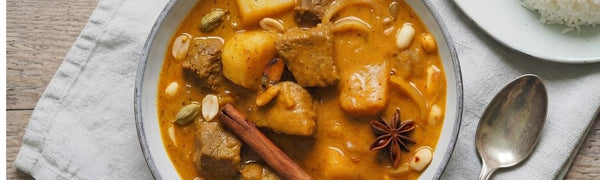
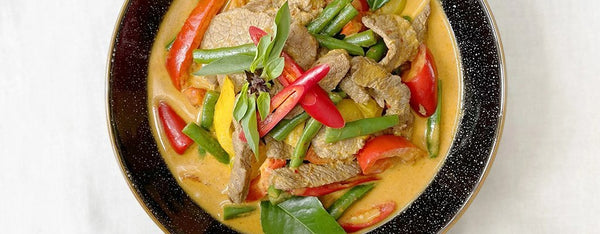
Another quick dish to prepare and cook...Pad Phed Moo! This meal is a spicy (Phed) pork (Moo) stir fry (Pad) and it is delicious, perfect for the spice lovers! You can switch up the protein for this recipe, try out shrimp, beef or tofu!
This is a great way to use a Thai curry paste in something other than a curry! This recipe calls for Thai red curry paste, you can also try it with Thai yellow or Jungle curry paste too. All these pastes will make this dish spicy, especially the Jungle!
I made Pad Phed Moo as part of my Thai feast to celebrate Songkran. Everyone at the table loved it and was asking for more, I really hope you will enjoy it too!
What Makes Pad Phed Moo Special?
Pad Phed Moo stands out from many Thai dishes because it delivers bold, punchy flavors in a matter of minutes. Unlike a slow-simmered curry that takes time to develop depth, this stir fry is high heat, fast paced, and absolutely packed with character. The combination of aromatic curry paste hitting a hot wok, the natural sweetness of palm sugar, and the savoury depth of fish sauce creates a sauce that coats every piece of pork beautifully.
What really sets this dish apart is the textural variety. The tender slices of pork loin, the slight crunch of bamboo shoots, and the distinctive pop of pea eggplants all come together in one wok. The makrut lime leaves, added at the very end, give the finished dish a fragrant citrus lift that is unmistakably Thai. It is the kind of dish that tastes far more complex than the time it takes to cook, which is exactly why it has been a staple of Thai home cooking for generations.

Origins of Pad Phed
Pad Phed, which literally translates to "spicy stir fry," is rooted in the central and northern regions of Thailand, where the use of curry paste as a stir fry basem, rather than as a soup foundation, has long been part of everyday cooking. Thai home cooks have always been resourceful, and using leftover or freshly made curry paste in a quick wok dish is a brilliant example of making the most of powerful ingredients.
The word Pad (or pad) refers to the wok-frying technique that is central to Thai cooking. A searingly hot wok, a small amount of oil, and quick, confident stirring are what give Pad Phed its signature character. This cooking style is believed to have been influenced by Chinese stir-fry techniques brought to Thailand through centuries of trade and migration, but Thai cooks made it entirely their own by introducing the complex, herb-packed curry pastes and Southeast Asian seasonings that define the cuisine.
Pork (moo) is one of the most commonly used proteins in Thai cooking, especially in central Thailand. It is affordable, widely available, and absorbs flavor exceptionally well, making it the natural choice for a bold stir fry like this. Over time, Pad Phed Moo became a beloved staple on street food stalls and in family kitchens across the country, celebrated for its simplicity, speed, and satisfying heat.
Ingredients You'll Need
Every ingredient in this recipe plays an important role, and it is worth understanding what each one brings to the dish.
Mae Jum Thai Red Curry Paste is the heart of this recipe. Unlike store-bought pastes that can be diluted or overly smooth, Mae Jum's paste is made with authentic ingredients, giving you that genuine depth of flavor, lemongrass, galangal, dried chilies, makrut lime zest and more all working together. Using a quality paste makes an enormous difference in the final result.
Pork Loin is the ideal cut for this stir fry. It is lean enough to cook quickly at high heat without becoming tough, yet it has enough substance to hold up alongside the bold paste and vegetables. Slicing it thinly across the grain ensures it stays tender throughout cooking.
Thai Pea Eggplants are small, round, and slightly bitter. They are a classic ingredient in Thai curries and stir fries, and their firm texture means they do not turn to mush during cooking. If you have never used them before, look for them in Asian supermarkets, they are well worth seeking out.
Bamboo Shoots add a satisfying crunch and a mild, slightly earthy flavor that pairs beautifully with the spice of the curry paste. Canned bamboo shoots work perfectly well and are easy to find in most supermarkets.
Coconut Oil is used here as the cooking fat. It has a high enough smoke point for stir frying and adds a very subtle sweetness that complements the other flavors without overpowering them.
Fish Sauce is one of the most important seasonings in Thai cooking. It provides salt, umami, and a depth that no other ingredient can replicate. Do not be put off by the smell on its own, once it hits the heat and combines with the other ingredients, it transforms entirely.
Palm Sugar balances the heat of the curry paste and the saltiness of the fish sauce. It has a slightly caramel-like flavor that is less sharp than refined white sugar. If you cannot find palm sugar, soft brown sugar is a reasonable substitute.
Makrut Lime Leaves are added at the very end of cooking to preserve their fragrant, floral citrus aroma. They are torn off the tough central stem before being stirred into the dish. These leaves are available fresh or dried in Asian grocery stores and are well worth keeping in your kitchen, they freeze brilliantly too.
Cooking Tips for the Perfect Pad Phed Moo
Getting a Thai stir fry right comes down to a few key principles. Follow these tips and your Pad Phed Moo will turn out perfectly every time.
Use the highest heat you have. Stir frying is a high-heat cooking method, and the results suffer when the wok is not hot enough. A properly heated wok creates the slight charring and intense flavor development that defines a great stir fry. If using a gas hob, use your largest burner. If using electric or induction, allow the wok or pan to preheat thoroughly before adding the oil.
Work quickly and stay at the wok. Once you start cooking, this dish moves fast. Have all your ingredients prepped and within arm's reach before you heat the oil. There is no time to be chopping or measuring once things get going.
Do not rush the curry paste. The step of stir frying the curry paste in the oil until it is broken down and fragrant is crucial. This blooms the spices, releasing their essential oils into the fat and building the base flavor of the whole dish. Give it the full time it needs before moving on to the next step.
Slice the pork thinly and evenly. Aim for slices of around 2 inches in length and roughly half a centimetre thick. Consistent thickness ensures even cooking. If the pork is slightly frozen, it is much easier to slice thinly.
Swap the protein to suit your taste. This recipe works wonderfully with shrimp (reduce the stir fry time to around 3 minutes), thinly sliced beef, or firm tofu for a vegetarian version. If using tofu, press it well before cooking to remove excess moisture, and swap the fish sauce for light soy sauce.
Try different curry pastes. As mentioned, Thai yellow curry paste will give a turmeric-rich flavor while keep the spice high, while Jungle curry paste (gaeng pa) will take the heat up significantly and give the dish a more herbaceous, wild character. Each version is a completely different experience worth exploring.
Adjust the seasoning at the end. Before serving, taste the sauce and adjust as needed. A little more fish sauce if it needs salt and depth, a touch more palm sugar if you want to balance the heat, or a squeeze of fresh lime juice for brightness.
Serve immediately. Like all stir fries, Pad Phed Moo is best eaten straight from the wok. Serve it over freshly steamed Thai jasmine rice, which absorbs the sauce beautifully and tempers the spice perfectly.
Final Thought
Pad Phed Moo changed how I cook at home, and I suspect it'll do the same for you. There's something satisfying about watching Mae Jum's curry paste come alive in a hot wok, coating pork tender enough to cut with a spatula. Quick, yes, but never rushed. In my grandmother's Southern Thai kitchen, speed meant respecting the ingredients: cooking them properly meant cooking fast and hot.
Fish sauce surprises first-timers. Alone it smells funky, but the moment it hits the wok with curry paste and palm sugar, it becomes something deep and savoury. The backbone of Thai cooking, and your secret weapon in this dish.
If you enjoyed this recipe, give it a star rating and leave us a comment below! Check out our recipe page for more delicious dishes like these and follow us on Instagram and Facebook
Thai Pork Stir-Fry (Phad Phed Moo)

- 500 g Pork Loin
- 35 g Mae Jum Thai Red Curry Paste
- 100 g Thai Pea Eggplants
- 200 g Bamboo Shoots
- 100 ml Water
- 3 tbsp Coconut Oil
- 1 tbsp Fish Sauce
- 1 tbsp Palm Sugar
- 4 Makrut Lime Leaves
 Thai Red Curry Paste