Everything You Need to Know About Green Papaya: A Key Ingredient in Thai Cuisine
Welcome to Mae Jum's blog, where today we’ll be exploring the versatile and nutritious green papaya. Often overlooked in Western kitchens, green papaya is a key ingredient in Thai cuisine and offers a variety of culinary and health benefits. Though you may be more familiar with its sweet, orange counterpart, green papaya is simply the unripe version of the same fruit. Despite its unfamiliarity to many, it holds a special place in Thai dishes, particularly in savoury salads like Som Tam.
This blog will guide you through everything you need to know about green papaya, including its origins, how to prepare it, where to buy it, and its health benefits.
What is Green Papaya?
Green papaya, known for its firm, pale green flesh, is the unripe form of the tropical fruit Carica papaya. This fruit grows on papaya trees, which can reach heights of up to 12 feet. While ripe papaya is known for its vibrant orange-red flesh and sweet flavor, green papaya is harvested earlier when the flesh is firm, crunchy, and neutral in taste. Typically weighing between 650g and 1kg, the green papaya is pear-shaped, with smooth green skin and a hollow core filled with white seeds, which eventually turn black as the fruit ripens.
Though technically a fruit, green papaya is used more like a vegetable in cooking due to its lack of sweetness and crisp texture. In Thailand, it is the star of Som Tam (green papaya salad), a dish that showcases the perfect balance of Thai flavors—sweet, sour, salty, and spicy.

How to Prepare and Cook with Green Papaya
Though its appearance might seem intimidating at first, green papaya is easy to prepare once you know the steps. First, start by peeling the outer skin with a vegetable peeler. Unlike other tough-skinned fruits, the skin of green papaya is relatively soft, making this task simple. As you peel, you may notice a white latex-like liquid seeping from the skin—this is the papaya’s natural latex, which can easily be wiped away.
Next, cut the papaya in half and scoop out the white seeds with a spoon. While the flesh is the primary part used in dishes, the seeds can also be consumed. They have a peppery flavor and can be dried and ground to use as a spice, similar to black pepper.
Once the seeds are removed, you can shred the flesh of the papaya using a julienne peeler or a cheese grater. If you want to try the traditional Thai method, hold the peeled papaya in one hand and use a sharp knife to make a series of long, thin cuts into the flesh. Then, slice off the top layer into a bowl, repeating the process until the entire papaya is shredded. The result is fine, crunchy strands of green papaya that serve as the perfect base for a salad or stir-fry.
Cooking with Green Papaya
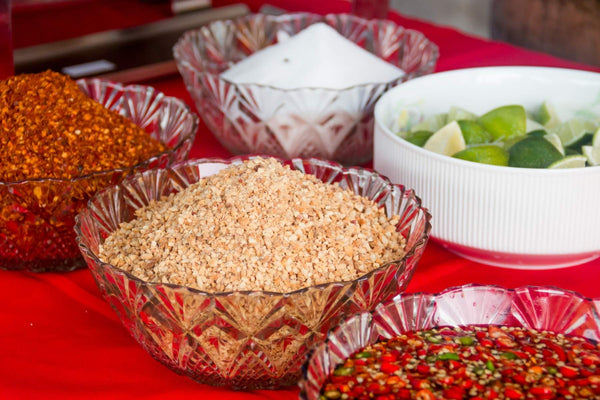
Green papaya's neutral flavor makes it an ideal carrier for bold dressings and seasonings. In Som Tam, the shredded papaya absorbs the punchy flavors of the dressing, which typically includes palm sugar for sweetness, fish sauce for saltiness, lime juice for acidity, and chilies for heat. The resulting salad is a perfect balance of these four essential Thai flavors, with the crisp texture of the papaya providing a refreshing contrast to the spicy and tangy dressing.
Green papaya can also be used in soups, stews, and stir-fries, where it retains its crunch and absorbs the flavors of the other ingredients. Its versatility means that it can be used in a variety of savoury dishes, much like a vegetable. You will commonly find green papaya in southern sour curry - check out our Mae Jum Sour Curry paste and recipe here!
Where to Buy and Store Green Papaya
In the UK, green papaya can be difficult to find in mainstream supermarkets, but it is commonly available at Asian grocery stores. Larger stores with a good selection of fresh produce are more likely to stock green papayas, especially those catering to Thai and Southeast Asian communities. The price typically ranges from £5 to £7 per fruit, or £9 to £10 per kilogram.
When selecting green papaya, look for one with a smooth, vibrant green skin. The fruit should feel firm to the touch, without any soft spots or blotches, which could indicate over-ripeness or poor storage. If the skin has begun to turn yellow, it’s a sign that the papaya is starting to ripen, and while it may still be edible, it won’t have the crisp texture ideal for dishes like Som Tam.
Once you’ve brought your green papaya home, store it in a plastic bag in the fridge. If you plan on keeping it for more than a few days, wrapping it in a paper towel can help absorb excess moisture, prolonging its freshness.
If you’re unable to find green papaya, green mango makes a suitable substitute. Like green papaya, green mango is the unripe version of the fruit and has a similarly firm, crunchy texture and tart flavor. For a more readily available alternative, cucumber or rutabaga can be used in certain recipes, though they won’t replicate the exact texture and flavor of green papaya.

Health Benefits of Green Papaya
Green papaya isn’t just a versatile ingredient in the kitchen—it’s also a powerhouse of nutrition. Packed with vitamins and minerals, this fruit offers numerous health benefits, making it a great addition to a balanced diet.
1. Rich in Vitamins and Antioxidants
Green papaya is an excellent source of vitamins, particularly vitamin C, vitamin A, vitamin E, and folate. These vitamins are essential for maintaining a healthy immune system, promoting skin health, and supporting overall well-being. The high concentration of antioxidants found in green papaya helps to neutralise free radicals, reducing the risk of chronic diseases and slowing down the ageing process.
2. Improves Digestion
Green papaya is known for its high fiber content, which can aid digestion and promote gut health. The fiber helps regulate bowel movements, reduce bloating, and improve nutrient absorption. Additionally, the fruit contains papain, an enzyme that breaks down proteins and makes digestion easier. This is why green papaya is often used as a natural meat tenderiser in cooking.
3. Supports Skin Health
Thanks to its rich vitamin C and E content, green papaya can be beneficial for the skin. These vitamins help to boost collagen production, which is essential for maintaining skin elasticity and preventing wrinkles. The antioxidants in green papaya also work to protect the skin from damage caused by free radicals, helping to reduce the appearance of age spots, blemishes, and other signs of ageing.
4. Boosts Immunity
Green papaya is an excellent source of vitamin C, with just one serving providing more than 70% of your daily requirement. Vitamin C is crucial for boosting the immune system, as it helps stimulate the production of white blood cells, which are essential for fighting off infections. Regular consumption of green papaya can help strengthen your immune system and keep you feeling healthy.
5. Promotes Heart Health
The nutrients in green papaya, including potassium, magnesium, and fiber, contribute to cardiovascular health by helping to regulate blood pressure and reduce cholesterol levels. The high fiber content can also prevent the build-up of cholesterol in the arteries, reducing the risk of heart disease.
Final Thought
Green papaya might not be a weeknight staple in most American kitchens — yet — but it's worth adding to your repertoire, especially if you're the kind of cook who loves discovering new textures and techniques. The first time you shred one and toss it with lime, fish sauce, and chili, you'll wonder why you waited so long. It's crunchy, refreshing, and completely unlike any other salad you've made before.
What's great about green papaya is that it doesn't try to be the star of the show. It's a team player. It takes on whatever flavors you give it, and it adds that signature crunch that makes Thai salads so addictive. If you've been to Thailand — or even just to a good Thai restaurant — you know that texture is just as important as taste. Green papaya delivers both.
Mae Jum exists to make authentic Thai cooking accessible, and that means celebrating ingredients like this one. You don't need to compromise on flavor or authenticity to cook Thai food at home. You just need the right ingredients — and the confidence to use them. Start with green papaya, start with a good curry paste, and start with the understanding that real Thai food is absolutely within reach.