Many years ago in the 14th century, Thailand saw a great deal of war and bloodshed. Soldiers would return from the battlefield victorious but aching and find their joints would struggle to cope with the rigours placed upon them.
Fortunately, there was light at the end of the tunnel for these weary warriors; relaxation and restoration were achieved by massaging various herbs into their bodies. This process became known as samunprai, which has since become a by-word for good health and well being in the Thai-speaking world.
The word samunprai has no direct equivalent in the English language, which is because the experience is wholly unique. To this day, warriors of the busy 21st-century world seek out herbal poultice massage to ease their own tensions, with the deep heat and tissue massage easing all worldly worries.

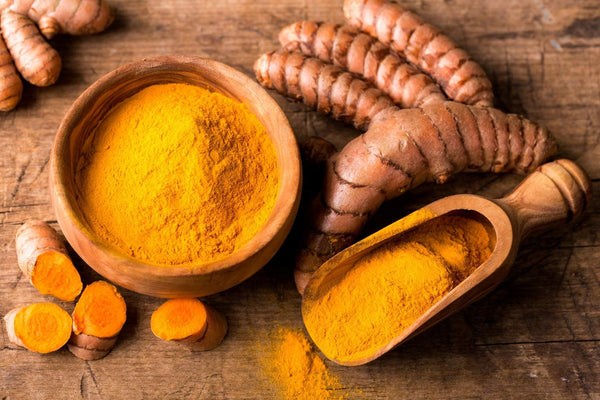
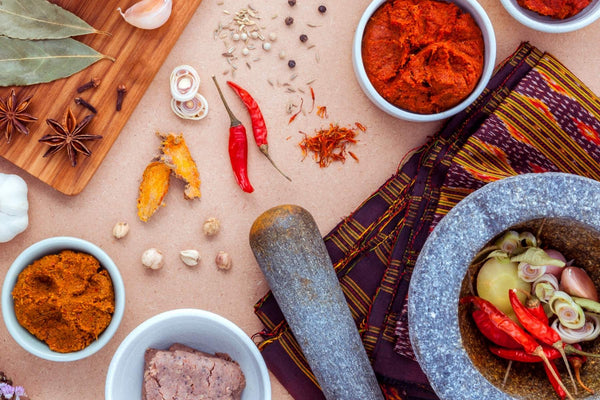
Lemongrass, galangal, mint, makrut lime, turmeric and black pepper are among the herbs used to make a herbal poultice used in a samunprai treatment to restore tranquillity to the body. When divided into appropriate sizes, these herbs can also be hugely effective at easing any ailments within the body through edible sources.
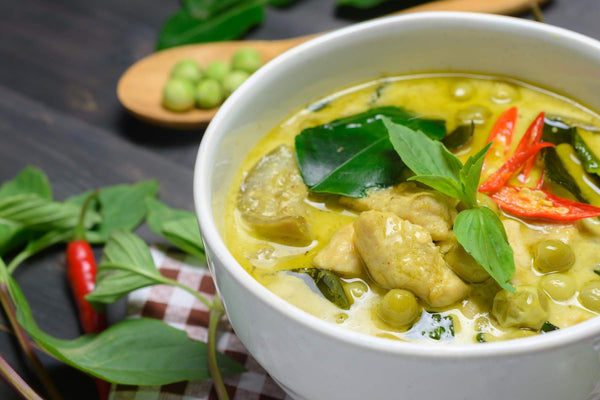
Thai herbal pastes, often used in Thai curries, are made from similar ingredients aimed at also benefiting the body from within, but with surprisingly delicious results. You can read more about the ingredients on our blog post here!
This is how Mae Jum brings samunprai to modern life. We all deserve the opportunity to feel and be the best that we can, and that is made easier when a little Eastern flavor is brought to the west. Samunprai may not be a term that you are presently familiar with, but that will change when you realize just how much your well-being can be enhanced by the practice. Prepare yourself for the ultimate experience in luxury and indulgence. You deserve it.

Final Thought
In Thai, the word สมุนไพร (samunprai) doesn't just mean herbs — it carries the sense of something restorative, almost sacred. These aren't just ingredients you throw into a pot. They're plants that have been trusted for hundreds of years to ease pain, restore balance, and bring the body back to itself. When you cook with galangal, lemongrass, or turmeric, you're tapping into that same tradition, whether you realize it or not.
Thai cuisine has always understood something that Western food culture is only just catching up to: that what heals and what nourishes are often the same thing. There's no boundary between medicine and the dinner table. Mae Jum's curry pastes honor that idea. They're made the old way, stone-ground from whole ingredients, because shortcuts don't just compromise flavor — they compromise the integrity of what these herbs were always meant to do. When you cook with them, you're not just making dinner. You're continuing a practice that soldiers, farmers, and families have relied on for centuries.